
Graphic design is the creation of visual compositions that solve problems and communicate ideas through the use of typography, imagery, color, white space, and form. These visual compositions are made up of typography, imagery, color, white space, and form, mold, and organize content clutter creating visual environments of simplicity, consistency, structure, hierarchy, and flow. Graphic design is where art and design come together to bring clarity to visual chaos. Good graphic design provides clarity, promotes calm, and evokes emotion that moves people into a subconscious understanding or action without literally stating it.
Pictures are worth a thousand words and yet a letter can paint a thousand pictures depending on its size, typographical form, color, inclination, and situation within a page. A color can bring about excitement or anger. White space can create an environment of weightlessness, a sense of great importance or insignificance – solidarity. Placement can convey direction and flow – giving living energy to a page. The size of a letter can convey power or weakness. And the culmination of letters, objects, and choice of color, compressed together can convey chaos, fear, suffocation, or in contrast, freedom and peace. The purposeful use and integration of graphic design elements have the power to influence emotional standing and provide different states of cognitive understanding.
The skill in which graphic designers organize information provides a way from which we can simplify the many to create a more coherent, understandable whole. Taking into account the way in which we understand the real world (what we see before us) and with the manipulation of context, the creation of visual illusion occurs, and in turn, affects information processing further impacting our perception. The implications and connections involved can be explained when looking at the Gestalt principles of Pragnanz (we naturally perceive things in their simplest form or organization), similarity, proximity, continuity, closure, and common region. Gestalt’s principles influenced design concepts of figure-ground relationship, visual hierarchy, and associativity. Ultimately, graphic designers, in short, are the ultimate trust enhancers, content simplifiers and organizers, efficient and effective information communicators, emotion evokers, and cognition captivators.
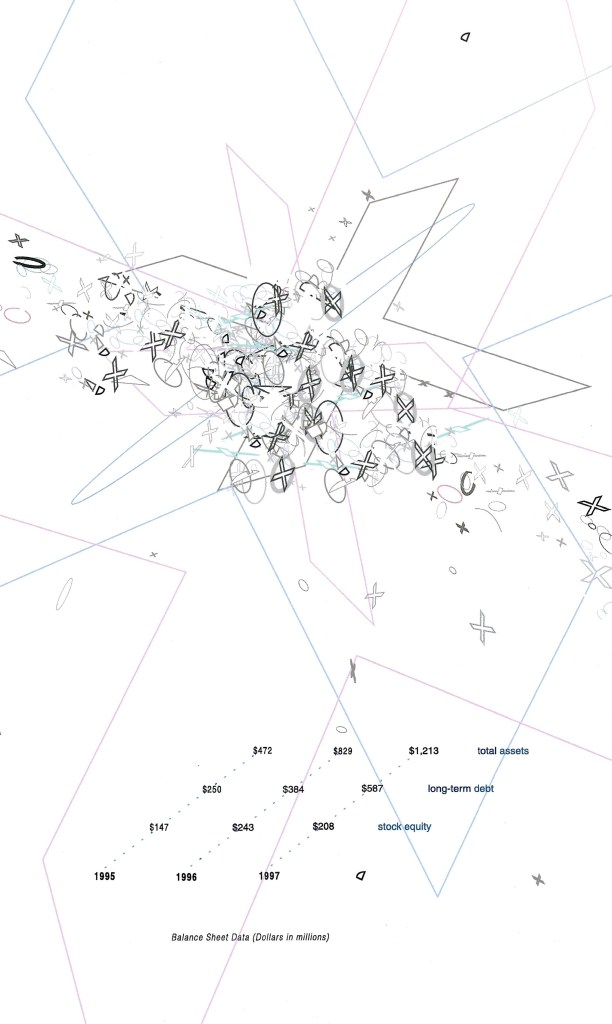

 Nancy Mues